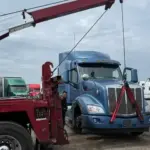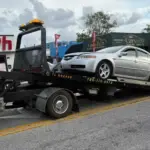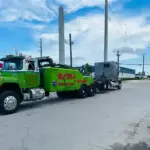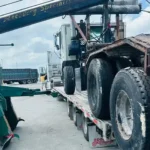
Commercial vehicle breakdowns could present significant difficulties for any business operating within Florida. In addition to securing emergency services, owners of commercial vehicles must be familiar with the rules and regulations associated with breakdowns of large vehicles on the roadways. There are certain regulations set forth by Florida relating to vehicle weight, size restrictions, transportation permits, and roadside assistance that commercial fleet owners should know before an emergency situation.
Whether it be delivery trucks, construction vehicles, tractor-trailers, or commercial fleets, being aware of such regulations would help to prevent unnecessary delays and make the recovery process more efficient. At Ultra Emergency Towing, Florida, USA, we offer our services to various businesses within the regions of Miami, Hollywood, Hialeah, Doral, Miami Gardens, Fort Lauderdale, Pembroke Pines, Miramar, and other adjacent regions.
Call for Emergency TowingWhat Florida Law Requires During Commercial Vehicle Towing
Florida commercial vehicle laws revolve around roadway safety and transportation compliance. Owners and fleet managers need to know their roles concerning the disabled vehicles and how to respond to emergencies and safely recover the same.
Important areas include:
- Vehicle weight compliance.
- Proper transportation permits.
- Driver safety procedures.
- Emergency reporting requirements.
- Safe removal of disabled vehicles.
By having a set plan for responding, companies will be able to cope with emergencies better. Coordinating with a reliable local towing company will help fleet owners get quick and safe roadside assistance.
Prepare your commercial fleet for any surprise situations with the help of expert emergency services in Florida.
When Can a Commercial Vehicle Be Towed in Florida?
Commercial vehicles may require towing after mechanical failures, accidents, tire damage, brake problems, or situations that create roadway hazards. However, recovery operations should always consider vehicle condition, location, safety concerns, and transportation requirements.
Fleet owners should ensure drivers:
- Move vehicles away from traffic when possible.
- Activate warning signals.
- Follow company emergency procedures.
- Report incidents quickly.
- Prioritize personal safety.
Proper planning will decrease the risk factors for drivers, motorists, and the business.
Businesses may look at their past experiences involving heavy duty towing projects in order to develop future plans and strategies.
Taking quick action when dealing with roadside emergencies can help minimize downtime for your commercial properties.
Florida Weight Limits and Permit Requirements for Commercial Vehicles
Florida has established regulations regarding commercial vehicle dimensions and weight limits. Vehicles exceeding standard limitations may require special permits before operating on public highways.
Fleet managers should regularly review:
- Oversized vehicle requirements.
- Weight classifications.
- Approved travel routes.
- Permit conditions.
- Transportation restrictions.
Understanding these requirements before an emergency occurs can help businesses avoid unnecessary delays during recovery situations.
Professional providers handling commercial vehicle recovery services understand the importance of safely managing disabled commercial vehicles while reducing operational interruptions.
Get Heavy-Duty AssistanceSafety Responsibilities for Commercial Vehicle Owners
Safety procedures should be kept intact by commercial vehicle owners prior to, during, and after any roadside emergency situation. Driver training and emergency planning have an important part to play here.
Businesses should ensure drivers understand:
- Roadside warning procedures.
- Emergency communication steps.
- Vehicle documentation requirements.
- Cargo safety responsibilities.
- Recovery preparation procedures.
Adhering to correct safety procedures ensures compliance for organizations and safeguards both drivers and other road users.
Good safety planning enables organizations’ fleets to react better during any unforeseen mechanical problems.
Understanding Commercial Vehicle Recovery Requirements
Large commercial vehicles often require specialized equipment and experienced operators during recovery situations. Vehicle size, weight, and operating conditions determine the appropriate approach for safe transportation.
Businesses using commercial truck towing solutions should ensure recovery providers have the necessary equipment and experience to handle commercial vehicles properly.
Selecting the correct recovery method helps prevent additional damage and supports safer transportation practices.
Why Businesses Should Stay Updated About Towing Compliance
Fleet operators should keep abreast of how transportation laws may evolve from time to time. Knowledge of commercial truck towing regulations enables businesses to adhere to compliance better and make emergency preparations.
Commercial vehicle owners should regularly review:
- Updated transportation requirements.
- Safety procedures.
- Fleet response plans.
- Driver responsibilities.
Staying informed allows businesses to make better decisions when emergencies occur. Keep your fleet prepared with our reliable support and compliance-focused recovery solutions.
Choosing the Right Recovery Method for Your Vehicle
Different commercial vehicles require different recovery approaches. The comparison of heavy duty towing vs commercial truck towing aids in making the right decision by fleet owners based on the type of vehicles.
The factors affecting the decision on recovery include:
- Vehicle weight.
- Equipment requirements.
- Road conditions.
- Damage level.
- Transportation needs.
Proper selection of the method ensures safety and also reduces disruption.
Professional Assistance in Case of Complex Commercial Vehicles Emergencies
When large vehicles experience major breakdowns, businesses require experienced professionals who understand the challenges involved.
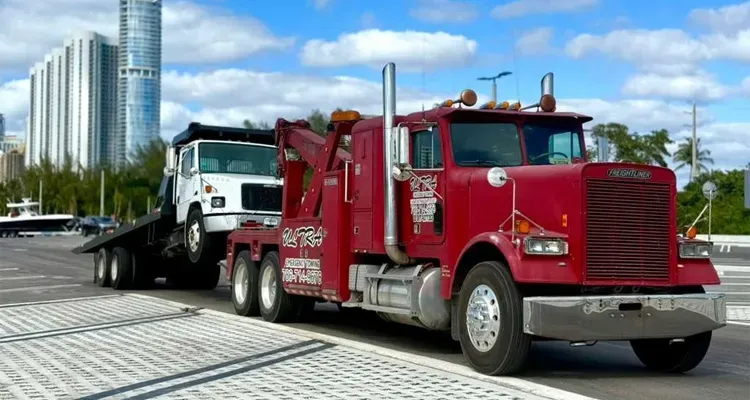
Reliable heavy duty towing service Florida can help ensure safe and efficient management of difficult recovery operations of commercial vehicles and fleet equipment. The availability of trained operators and proper equipment will enable effective execution of the procedures.
Our dependable emergency support helps businesses keep operations moving during unexpected vehicle failures.
Conclusion
Florida’s heavy-duty towing regulations are geared towards increasing the level of transportation safety and protecting road users while making sure that commercial vehicles are appropriately handled in emergencies. Knowing about permits, roadside obligations, and recovery protocols enables fleet operators to make sound judgments.
Ultra Emergency Towing is committed to serving commercial vehicle owners in Florida, USA, such as those in Miami, Hollywood, Hialeah, Doral, Miami Gardens, Fort Lauderdale, Pembroke Pines, Miramar, and others. Keeping up with all company announcements will enable businesses to learn about any changes in services offered.
Request Fleet RecoveryFrequently Asked Questions About Florida Heavy-Duty Towing Laws
1. Are there special towing laws for commercial vehicles in Florida?
Yes, Florida has regulations regarding commercial vehicle size, weight limits, permits, and roadside safety requirements that may affect emergency towing and recovery operations.
2. When does a commercial vehicle require heavy-duty towing services in Florida?
Commercial vehicles typically require heavy-duty towing after accidents, mechanical failures, tire blowouts, or when their size and weight exceed standard towing capabilities.
3. Do oversized or overweight commercial vehicles require special permits in Florida?
Yes, oversized or overweight commercial vehicles may require special permits before operating on Florida’s public roadways, depending on their specifications and travel routes.
4. What should commercial vehicle drivers do after a roadside breakdown in Florida?
Drivers should prioritize safety by activating hazard lights, following emergency procedures, and contacting professional recovery assistance when necessary.
5. Does Florida’s Move Over Law apply to disabled commercial vehicles?
Yes, Florida’s Move Over Law protects disabled vehicles on roadways. Motorists are generally required to move over or slow down when approaching stopped vehicles when it is safe to do so.
6. Who arranges commercial vehicle towing after a breakdown?
Commercial vehicle owners, businesses, or fleet operators are generally responsible for arranging appropriate towing or recovery services during emergencies.
7. What determines the right towing method for a commercial vehicle?
Vehicle size, weight, cargo, roadway conditions, and the extent of damage usually determine the most appropriate towing or recovery method.
8. Are there weight and size restrictions for commercial vehicles in Florida?
Yes, Florida regulates commercial vehicle dimensions and weight classifications. Certain vehicles may require permits before transportation on public highways.
9. What safety precautions should fleet owners follow during vehicle recovery?
Fleet owners should maintain emergency response plans, train drivers on roadside safety procedures, and ensure compliance with transportation requirements.
10. How can businesses prepare for commercial vehicle emergencies?
Businesses should establish fleet emergency procedures, conduct regular driver training, and maintain updated vehicle documentation to improve emergency preparedness.